
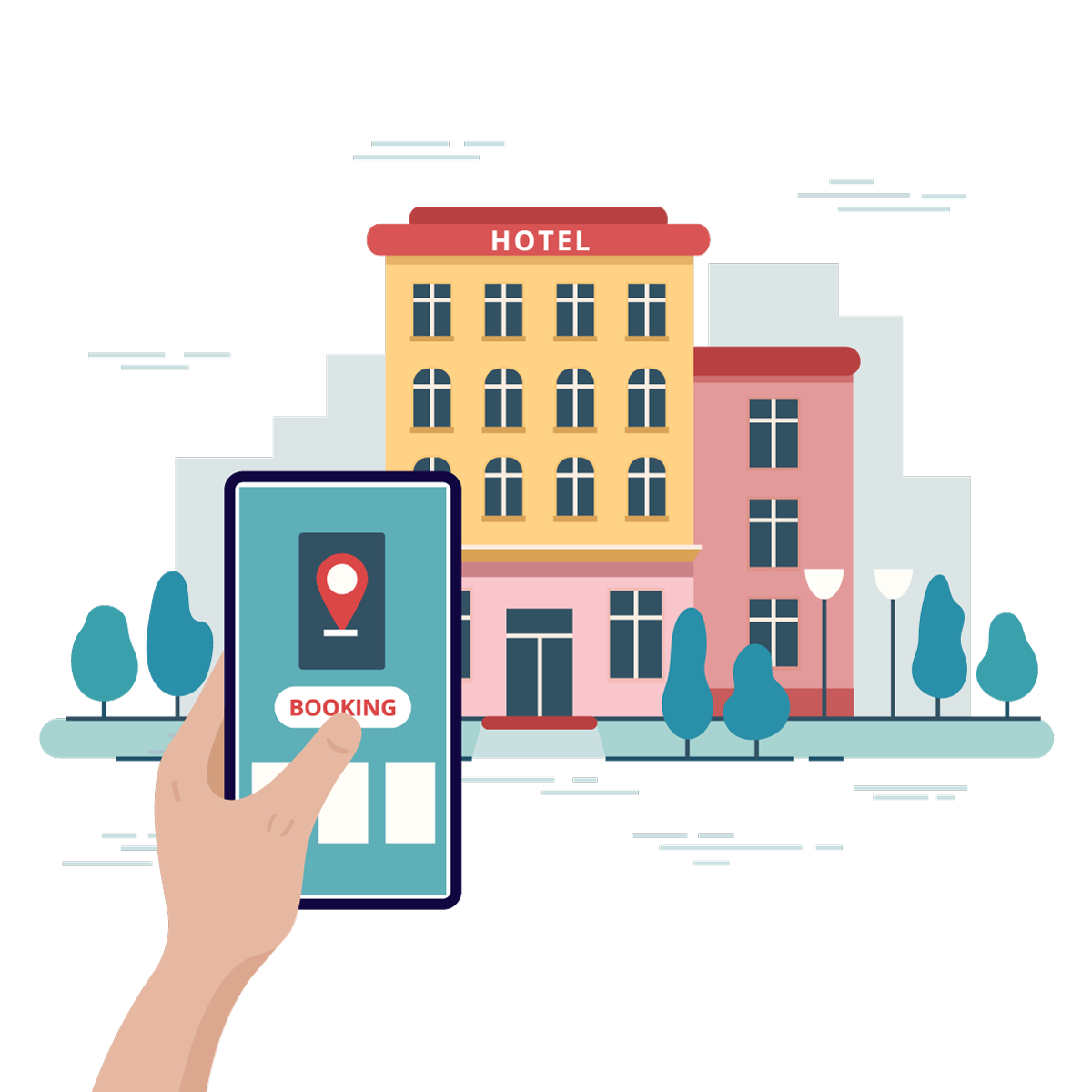
The dining industry continues to evolve at lightning speed, and restaurant booking trends 2026 are shaping how guests discover, reserve, and experience their favorite restaurants. From smarter digital tools to changing customer expectations, reservations are no longer just about securing a table—they’re about personalization, convenience, and efficiency. As competition increases and diners demand seamless experiences, restaurants that stay ahead of these trends will be best positioned for long-term success.
In 2026, personalization is moving from “nice to have” to absolutely essential. Reservation platforms are using artificial intelligence to remember guest preferences, dining history, and booking behavior. This allows restaurants to suggest ideal time slots, seating options, or even menu recommendations. These advanced online table booking insights help operators understand peak demand patterns while giving guests a feeling that the experience is tailored specifically to them. Personalized booking journeys also reduce friction, making it easier for diners to complete reservations without abandoning the process.
Smartphones are now the primary way diners interact with restaurants, and reservation systems are fully embracing a mobile-first approach. Faster load times, simplified booking steps, and digital wallet integrations are becoming standard. Restaurants that fail to optimize for mobile risk losing customers to competitors who offer smoother experiences. The best platforms combine usability with data analytics, offering actionable online table booking insights that help restaurants refine their mobile strategies and increase conversion rates.

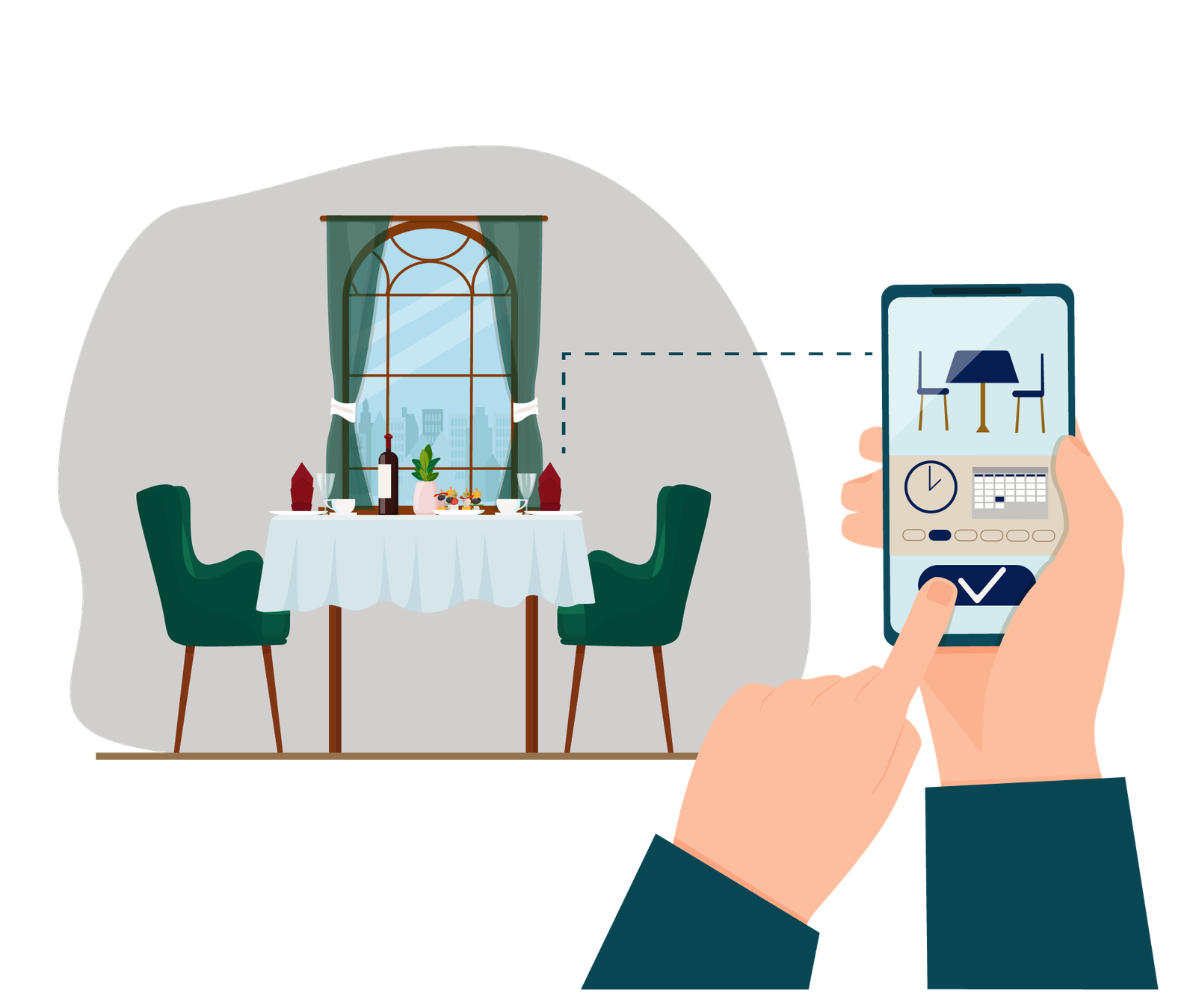
Static reservation systems are quickly becoming outdated. In 2026, real-time availability updates allow restaurants to adjust seating instantly based on walk-ins, cancellations, and extended dining times. This is one of the most impactful restaurant booking trends 2026, as it helps maximize table utilization without overwhelming staff. Dynamic capacity management also improves guest satisfaction by reducing wait times and minimizing overbooking issues.
Modern reservation tools no longer operate in isolation. They now integrate directly with POS systems, CRM platforms, and marketing tools. This unified ecosystem gives restaurant owners a complete view of their business—from guest preferences to revenue per table. Advanced restaurant reservation software makes it easier to forecast demand, plan staffing, and create targeted promotions based on real data rather than guesswork.
As dining demand continues to fluctuate, more restaurants are experimenting with demand-based pricing models. Peak hours, special events, and high-demand dates may include reservation fees or minimum spends. While this was once controversial, diners are increasingly accepting it when transparency is clear. According to recent online table booking insights, guests value guaranteed seating and premium experiences, especially for popular restaurants or exclusive time slots.
No-shows remain a costly problem, but automation is helping solve it. Smart confirmations, automated reminders, and easy cancellation options significantly reduce missed reservations. Some platforms even use predictive models to flag high-risk bookings. This is another area where restaurant reservation software is proving invaluable, allowing restaurants to protect revenue while still offering flexibility to guests.

Sustainability is influencing reservation strategies more than ever. Restaurants are using booking data to reduce food waste, optimize ordering, and better align staffing with demand. These efficiencies not only lower costs but also support environmentally conscious branding. As restaurant booking trends 2026 continue to evolve, data-driven sustainability will be a key differentiator for forward-thinking establishments.
Voice assistants and conversational AI are starting to play a role in restaurant reservations. Diners can book tables using simple voice commands or chat interfaces without navigating complex forms. This emerging trend improves accessibility and convenience, particularly for on-the-go users. Behind the scenes, robust restaurant reservation software ensures these conversational bookings sync seamlessly with existing systems.
The future of restaurant reservations is smart, connected, and guest-centric. Success in 2026 will depend on adopting technology that not only streamlines operations but also enhances the dining experience. By leveraging data, automation, and personalization, restaurants can stay competitive in an increasingly digital marketplace. Keeping a close eye on restaurant booking trends 2026 will help operators adapt quickly and turn reservations into a powerful growth tool rather than a simple scheduling function.
Absolutely. By using data-driven booking tools and automation, restaurants can maximize seating, reduce cancellations, and boost profits.